

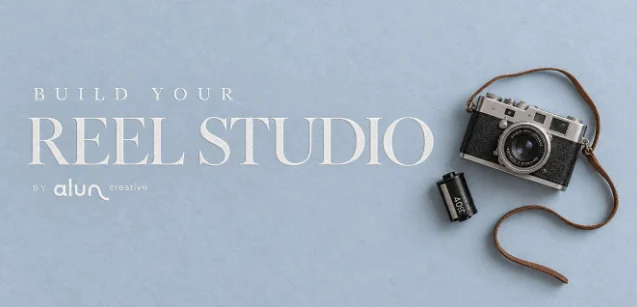


Alun Creative – Build Your Reel Studio: An Honest, In-Depth Review for Modern Content Creators
Short-form vertical video has evolved from a casual social media trend into the primary engine for digital visibility, brand authority, and customer acquisition. Whether you are a solo entrepreneur, a service provider, an educator, or an aspiring full-time creator, your ability to consistently produce high-retention Reels, TikToks, and YouTube Shorts directly impacts your reach. Yet for most people, the bottleneck is rarely a lack of ideas—it is the friction of production. Setting up lights, finding the right framing, fixing muddy audio, and spending hours editing a thirty-second clip quickly leads to creative burnout.
This exact production bottleneck is what Alun Creative – Build Your Reel Studio aims to solve. Rather than offering vague motivational advice about “going viral,” the program positions itself as a practical blueprint for turning any spare corner of your home or office into an efficient, repeatable, high-converting vertical video production hub.
In this comprehensive review, we break down what the program actually teaches, how the methodology works in practice, who stands to gain the most from it, and where its limitations lie.
What Is the Core Philosophy Behind This Studio System?
Most social media courses focus heavily on algorithm hacks, trending audio, or surface-level hook templates. While those elements matter, they fail when your underlying production workflow is chaotic. If it takes you forty-five minutes just to clear off your desk, mount your phone, and adjust your lighting every time you want to record, you will naturally avoid filming.
The central philosophy of this training is frictionless consistency. By designing a dedicated, pre-calibrated filming environment and pairing it with a standardized post-production pipeline, creators can move from concept to published video in a fraction of the usual time. The curriculum treats short-form content creation less like an unpredictable art project and more like a streamlined media studio operation.
Instead of pushing viewers to buy thousands of dollars in cinema-grade cameras, the framework emphasizes smart spatial design, intentional lighting angles, clean acoustic treatment, and repeatable camera settings—allowing everyday hardware like modern smartphones or entry-level mirrorless cameras to look crisp, intentional, and authoritative.
Breaking Down the Curriculum and Key Modules
The program is structured logically, taking a creator from an empty or cluttered room to a fully operational filming workflow. While individual lessons are concise and action-oriented, the overarching syllabus covers several distinct pillars of vertical video production.
1. Spatial Planning and Set Design
The opening phase focuses on maximizing small spaces. Most creators do not have the luxury of an entire spare warehouse or dedicated soundstage; they are working out of bedrooms, home offices, or living rooms. The training walks through how to select the right wall or corner, how to create visual depth behind the subject so the frame does not look flat, and how to use subtle practical lights, plants, or shelving to establish a recognizable visual signature. You learn how to separate yourself from the background—a crucial detail that immediately elevates amateur phone footage into studio-grade visuals.
2. Lighting Architecture for Vertical Video
Good lighting is the single biggest differentiator between an average video and a scroll-stopping one. Rather than overwhelming students with complex Hollywood lighting diagrams, the lessons focus on reliable, repeatable setups tailored specifically for vertical 9:16 framing. You learn how to position a primary key light to flatter facial features, how to eliminate harsh shadows on glasses or walls, and how to balance color temperatures so skin tones look natural rather than overly orange or washed out. The emphasis is on “set it and forget it” configurations that stay ready at the flip of a switch.
3. Broadcast-Quality Audio Capture
Viewers will forgive slightly imperfect video resolution, but they will swipe away within two seconds if the audio echoes or sounds distant. This section breaks down microphone selection—comparing wireless lavaliers, shotgun mics, and desktop dynamic microphones—alongside practical ways to reduce room echo using everyday furnishings, rugs, and discreet acoustic panels. It also covers gain staging so your voice sounds rich, clear, and present without clipping or background hiss.
4. Camera Configuration and Framing Mastery
Whether you shoot on an iPhone, an Android flagship, or a dedicated mirrorless body, default auto settings often ruin consistency by shifting exposure and white balance mid-sentence. The curriculum provides exact breakdowns of frame rates, shutter speeds, manual exposure locking, and lens focal lengths. You also learn framing rules tailored specifically to mobile interfaces—ensuring your head, hands, and on-screen captions never collide with the platform’s native buttons, usernames, or progress bars.
5. Batch Filming and Scripting Workflows
A great studio means nothing if you sit in front of the lens with nothing to say. The second half of the program shifts from hardware to execution. It introduces structured scripting frameworks designed for high retention—focusing on visual hooks, pacing, pattern interrupts, and concise calls to action. More importantly, it teaches batch production: how to outline, script, film, and organize ten to fifteen pieces of vertical content in a single focused two-hour session rather than scrambling daily.
6. Fast-Paced Post-Production and Editing
Editing is where many creators lose momentum. The training outlines a clean, modular editing pipeline—covering rough cuts, removing dead air, dynamic caption styling, subtle sound design, and B-roll integration. By building reusable project templates and presets, the editing process becomes predictable and fast, allowing creators to maintain high visual polish without hiring a full-time editor right away.
Practical Strengths: What Works Well
After evaluating the structure, teaching style, and real-world applicability of the material, several clear strengths stand out:
-
Eliminates Decision Fatigue: Once your lighting, framing, and audio presets are dialed in according to the blueprints, you no longer waste mental energy troubleshooting technical issues before every shoot.
-
Budget-Conscious Gear Recommendations: Rather than pushing affiliate links for overpriced equipment, the lessons prioritize high-value, practical gear choices and show how placement matters far more than price tags.
-
Platform-Agnostic Foundations: Although the word “Reel” is prominent in the branding, every lighting, audio, framing, and pacing technique applies seamlessly to TikTok, YouTube Shorts, LinkedIn vertical video, and paid social ads.
-
Clear Visual Demonstrations: Seeing real-time before-and-after comparisons—such as turning off overhead room lights, adjusting a key light by forty-five degrees, or switching microphone distances—makes abstract concepts immediately understandable.
-
Scalable Systems: The workflow works just as well for a solo creator editing their own clips as it does for a business owner preparing raw footage to hand off to a freelance editor.
Honest Drawbacks and Limitations to Consider
No training program is a magic button, and approaching this studio blueprint with realistic expectations is essential. Here are a few areas where potential buyers should pause and evaluate their needs:
-
Requires Dedicated Space (Even If Small): While you do not need a massive room, the core advantage of a “ready-to-shoot” studio relies on leaving at least a small corner or desk setup semi-permanent. If you live in a shared space where you must completely pack away every tripod and light stand after each session, you will lose some of the speed benefits.
-
Not an Algorithm or Monetization Masterclass: If you are looking for deep dives into paid ad media buying, complex sales funnels, or niche selection from scratch, this is not the primary focus. It is a production, studio-building, and content execution system.
-
Modest Hardware Investment Needed: While you can start with a smartphone you already own, achieving the true studio look demonstrated in the lessons typically requires a modest budget for a reliable microphone, a decent LED key light, a softbox, and a sturdy tripod.
-
Execution Still Rests on You: Having an impressive studio setup will not automatically make weak messaging go viral. You still have to put in the reps to refine your on-camera delivery, storytelling, and audience research.
How It Compares to Free Tutorials Online
A common question among creators is whether they can simply piece together this information from free YouTube videos. Technically, almost any technical concept—like three-point lighting or 24fps shutter speeds—exists somewhere online for free.
However, the hidden cost of free tutorials is fragmentation and contradiction. One video tells you to buy a specific camera lens; another insists on a completely different lighting setup; a third focuses purely on cinematic horizontal filmmaking that translates poorly to vertical mobile screens. Beginners often spend months buying incompatible gear and second-guessing their look.
The primary value of a structured program like Alun Creative – Build Your Reel Studio is curation and sequence. Everything is tested to work together specifically for vertical, talking-head, and educational short-form video. You get a cohesive, step-by-step architecture rather than a dozen conflicting opinions.
Who Is This Program Best Suited For?
-
Coaches, Consultants, and Service Providers: Professionals who rely on trust and authority to attract clients and need their videos to look polished, credible, and professional.
-
E-Commerce Founders and Personal Brands: Creators who want to showcase products, share insights, and build an organic audience without outsourcing expensive production crews.
-
Busy Creators Struggling with Consistency: People who already know they should be posting short-form video regularly, but consistently procrastinate because their current filming process feels clunky and exhausting.
-
In-House Marketing Teams: Small brand teams tasked with building an internal content studio to produce daily vertical social assets efficiently.
Conversely, if you are already an experienced cinematographer or full-time video producer with a dialed-in multi-light studio and automated editing pipeline, much of the foundational hardware setup will feel familiar.
Final Verdict: Is It Worth the Investment?
Building a sustainable short-form video presence is a marathon, not a sprint. When your physical environment works against you, even the best content strategy eventually stalls. By treating your filming space as a dedicated, repeatable studio system, you remove the biggest daily barrier between having an idea and publishing it to the world.
For creators and business owners ready to stop guessing at lighting, fix distracting audio, and establish a fast, professional production rhythm, Alun Creative – Build Your Reel Studio delivers a clear, practical, and genuinely useful roadmap. It focuses on timeless production fundamentals paired with modern vertical workflows—making it a smart investment for anyone serious about turning short-form video into a reliable growth channel.
Be the first to review “Alun Creative – Build Your Reel Studio”
Related products

Uncategorized
Uncategorized

Uncategorized

Uncategorized

Uncategorized


Reviews
There are no reviews yet.