

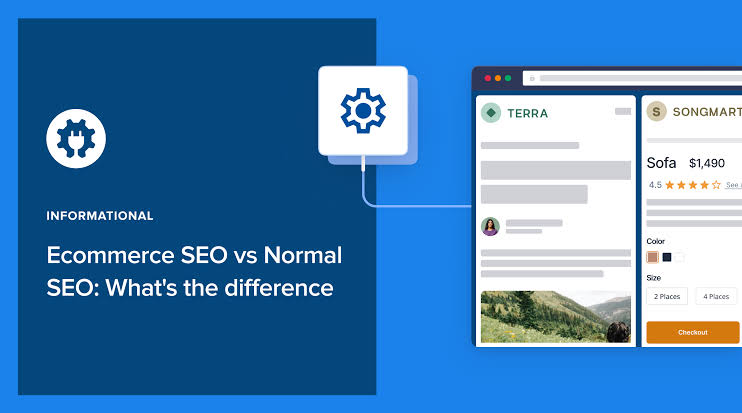


SEO 7X – Ecom SEO Has Never Been Easier Review: Is It Worth It?
Running an e-commerce store in today’s digital landscape presents a distinct set of operational challenges. While setting up a digital storefront on platforms like Shopify, WooCommerce, or BigCommerce has become remarkably accessible, securing consistent, highly targeted organic traffic remains one of the hardest hurdles for online business owners to overcome. Many store owners end up relying almost exclusively on paid advertising campaigns across social networks and search channels to drive customer acquisition.
However, paid media costs have risen steadily over recent years, significantly squeezing profit margins for brands of all sizes. This margin compression has driven renewed focus toward search engine optimization specifically tailored for retail platforms. This is where SEO 7X – Ecom SEO Has Never Been Easier enters the market, positioning itself as a comprehensive, step-by-step framework designed specifically to demystify organic search for digital storefronts.
In this thorough and transparent review, we will dissect every core component of the program, evaluate its actual strategic value, analyze who stands to benefit most from implementation, and deliver a definitive verdict on whether this curriculum lives up to its bold claims.
What Is SEO 7X – Ecom SEO Has Never Been Easier?
SEO 7X – Ecom SEO Has Never Been Easier is an specialized training curriculum and actionable blueprint focused entirely on search engine optimization for e-commerce websites. Unlike generic SEO courses that focus heavily on affiliate blog marketing, localized lead generation, or corporate B2B publishing, this program centers squarely on solving the unique technical and content challenges associated with online product catalogs.
The core philosophy behind the framework is straightforward: eliminate unnecessary technical jargon and focus exclusively on high-impact optimizations that directly influence buyer search intent, product discoverability, and revenue generation. The curriculum covers a complete operational spectrum, ranging from fundamental site architecture and keyword intent mapping to advanced technical crawl management and scalable backlink acquisition strategies.
Who Created the Program?
The framework was built by veteran e-commerce strategists who recognized a major void in the digital marketing industry. Most search engine optimization literature is written with traditional content websites in mind. Articles, news blogs, and service websites operate on completely different structural mechanics than platforms managing thousands of dynamic product URLs, category facets, and inventory updates. The creators designed this program to provide e-commerce operators with a repeatable system designed specifically for the complex architecture of digital retail stores.
Core Modules & Strategic Framework
To understand the full scope of what this program offers, it helps to examine how the training modules are structured. The program divides e-commerce optimization into actionable phases, allowing store owners to implement changes progressively.
Module 1: E-Commerce Keyword Research & Intent Mapping
Standard keyword research focuses primarily on search volume and generic phrase matching. However, e-commerce keyword optimization demands a deep understanding of customer purchasing intent.
-
Commercial Intent Filtering: Learning how to separate transactional searches (e.g., “buy leather cross-body bag”) from informational queries (e.g., “how to clean leather”).
-
Category Page Targeting: Strategies for assigning high-volume transactional keywords to overarching collection pages rather than individual product pages.
-
Long-Tail Product Keyword Strategy: Identifying specific attributes, sizes, colors, and SKU variations that attract shoppers who are ready to complete a purchase immediately.
Module 2: Site Architecture & Crawl Efficiency
The structural foundation of an e-commerce store determines how effectively search engine crawlers can index product inventory. Poor architecture frequently leads to indexation errors, diluted page authority, and dropped rankings.
-
Faceted Navigation Management: Solving duplicate content issues caused by product filtering options such as price ranges, sizing, colors, and sorting orders.
-
Internal Linking Structures: Designing clean, scalable hierarchy pathways from the homepage down to primary category pages, sub-categories, and individual product listings.
-
Flat Site Architecture Rules: Implementing design practices that ensure any product on the website can be reached within three to four clicks from the primary landing page.
Module 3: On-Page Optimization for Collections & Products
On-page execution for online retail requires a delicate balance between ranking algorithms and conversion-rate optimization for human visitors.
-
Collection Page Metadata: Crafting meta titles, descriptions, and dynamic H1 headings that capture search traffic without creating visual clutter for shoppers.
-
Unique Product Descriptions: Overcoming supplier-provided template content by writing unique, benefit-driven product copy that search engines favor.
-
Structured Data Markup: Utilizing schema syntax (including Product, AggregateRating, Price, and Availability) to earn rich snippets in search results.
Module 4: Technical SEO & Speed Optimization
E-commerce websites rely heavily on media assets, high-resolution imagery, dynamic inventory scripts, and third-party apps. Unoptimized technical settings quickly degrade page speed, severely impacting both search rankings and buyer conversion rates.
-
Image Compression & Formatting: Optimizing high-resolution product photography for rapid loading without sacrificing visual clarity.
-
Platform Optimization: Tailoring settings specifically for hosted platforms like Shopify, as well as self-hosted solutions like WooCommerce and Magento.
-
Core Web Vitals Remediation: Addressing visual stability, layout shifts, and execution latency across mobile and desktop devices.
Module 5: Strategic Content Marketing & E-E-A-T
Selling products online requires building strong authority and trust signals. Content creation plays a pivotal role in capturing top-of-funnel traffic and guiding prospects toward commercial collection pages.
-
Buyer’s Guides & Comparison Hubs: Creating detailed, authoritative buying guides that contextualize products and answer common pre-purchase questions.
-
Internal Content Funnels: Seamlessly linking informational blog posts directly to high-converting product pages to transfer authority and driver sales.
-
Establishing E-E-A-T: Setting up trust indicators, author profiles, clear customer service policies, and detailed store information to meet search quality standards.
Module 6: Authority Building & Link Acquisition
Building backlink authority for e-commerce product pages is notoriously difficult because external websites rarely link directly to commercial product listings.
-
Digital PR Tactics: Leveraging product releases, gift guides, expert commentary, and brand stories to earn organic press coverage and high-authority links.
-
Unlinked Brand Mention Reclaim: Systematically identifying unlinked mentions across blogs, review publications, and media outlets to secure contextual links.
-
Resource Page Outreach: Securing listings on niche resource hubs, industry directories, and curated buying roundups.
Key Features & Operational Highlights
What makes SEO 7X – Ecom SEO Has Never Been Easier stand out compared to generic optimization courses? The primary difference lies in its practical execution model.
Plug-and-Play Checklists & SOPs
One of the standout aspects of the curriculum is its inclusion of step-by-step Standard Operating Procedures (SOPs). Rather than forcing store owners to figure out technical execution on their own, the program provides clear, repeatable instructions. These documentation templates can be handed directly to developers, content writers, or virtual assistants to streamline execution.
Actionable Case Studies
The training includes real-world case studies demonstrating how specific stores resolved complex indexation bloat, improved slow load times, and structured their product categories to achieve significant organic growth. Seeing these concepts applied to real e-commerce stores provides valuable context that abstract tutorials simply cannot match.
Pros and Cons Breakdown
No training program is perfect for every business model. Below is an honest breakdown of the strengths and limitations of this system.
Pros
-
Laser-Focused Content: Eliminates unnecessary noise by concentrating purely on strategies that drive organic retail revenue.
-
Clear Technical Guidance: Simplifies complex technical challenges like canonical tags, pagination, and dynamic faceted navigation.
-
Scalable Frameworks: The provided SOPs make it easy to delegate tasks to team members or external contractors as your store expands.
-
Conversion-Minded: Focuses on attracting high-intent buyers rather than driving empty traffic that fails to generate sales.
-
Cross-Platform Utility: Works effectively whether your store is built on Shopify, WooCommerce, BigCommerce, or custom platforms.
Cons
-
Requires Execution Time: SEO is an investment. It is not an overnight quick fix, and results take consistent effort over several months.
-
Technical Learning Curve: Beginners with no prior website management experience may find certain technical modules challenging at first.
-
Ongoing Adaptation Required: Search engine algorithms evolve constantly, requiring store owners to keep their knowledge and tactics up to date.
Who Is This Program Right For?
Understanding whether this curriculum fits your current operational stage is essential before investing time and resources into implementation.
Ideal Candidates
-
E-Commerce Store Owners: Brand founders looking to reduce their reliance on paid ads by building a sustainable, long-term organic acquisition channel.
-
In-House Marketing Teams: Digital marketers responsible for growing search traffic and revenue for established online retail catalogs.
-
Agency Strategists & Freelancers: SEO professionals looking to specialize in high-value e-commerce optimization services for retail clients.
-
Bootstrapped Startup Founders: Entrepreneurs looking to build clean site architecture and technical foundations right from launch.
Who Should Skip It?
-
Affiliate Blog Marketers: Content creators running informational blogs or review sites will find better value in courses tailored specifically to niche content publishing.
-
Local Business Service Providers: Service-based companies (plumbers, attorneys, local clinics) require local map pack strategies rather than e-commerce catalog tactics.
-
Get-Rich-Quick Seekers: Business owners looking for immediate overnight revenue without putting in the work to optimize their store.
Real-World Expectations: What Results Can You Expect?
It is vital to maintain realistic expectations when implementing search engine optimization. Organic growth requires patience, consistent execution, and ongoing refinement.
[Phase 1: Months 1-2] ──> Technical Audit, Cleanup & Keyword Mapping
        │
        ▼
[Phase 2: Months 3-4] ──> On-Page Optimization & Content Hub Expansion
        │
        ▼
[Phase 3: Months 5-6+] ──> Authority Building & Organic Revenue Scaling
Initial Months (1 – 2): Foundation & Technical Remediation
During the first 60 days, focus is centered on technical audits, fixing crawl errors, resolving duplicate content issues, and mapping target keywords across categories. You likely won’t see massive traffic spikes yet, but search engines will begin re-indexing your cleaned-up store structure.
Intermediate Phase (Months 3 – 4): Indexation & Impression Growth
As search engines process your updated metadata, optimized product descriptions, and site architecture, impression data inside Google Search Console typically rises steadily. Long-tail product keywords will begin moving upward in search results.
Long-Term Impact (Months 5 – 6+): Traffic Expansion & Sales Growth
By months five and six, sustained authority building and optimized category pages typically translate into noticeable organic traffic growth. Because these visitors are actively searching for your specific products, conversion rates tend to outperform cold paid social media traffic.
Final Verdict: Is SEO 7X Worth Your Investment?
Search engine optimization for online retail does not have to be an overwhelming, overly complex process. When executed with a clear strategy, it stands as one of the highest-ROI marketing channels available to digital store operators.
SEO 7X – Ecom SEO Has Never Been Easier delivers on its primary objective: cutting through the noise and providing an actionable, step-by-step framework built specifically for e-commerce success. By addressing critical operational areas—from technical store architecture to commercial keyword intent mapping and authority building—the program provides a reliable roadmap for long-term organic growth.
If you are serious about scaling your online store, reducing acquisition costs, and establishing a dominant organic footprint in your industry niche, this program provides exceptional value and a proven blueprint for success.
Be the first to review “SEO 7X – Ecom SEO Has Never Been Easier (November 2026)”
Related products

Uncategorized


Uncategorized


Uncategorized


Uncategorized

Uncategorized
Reviews
There are no reviews yet.