

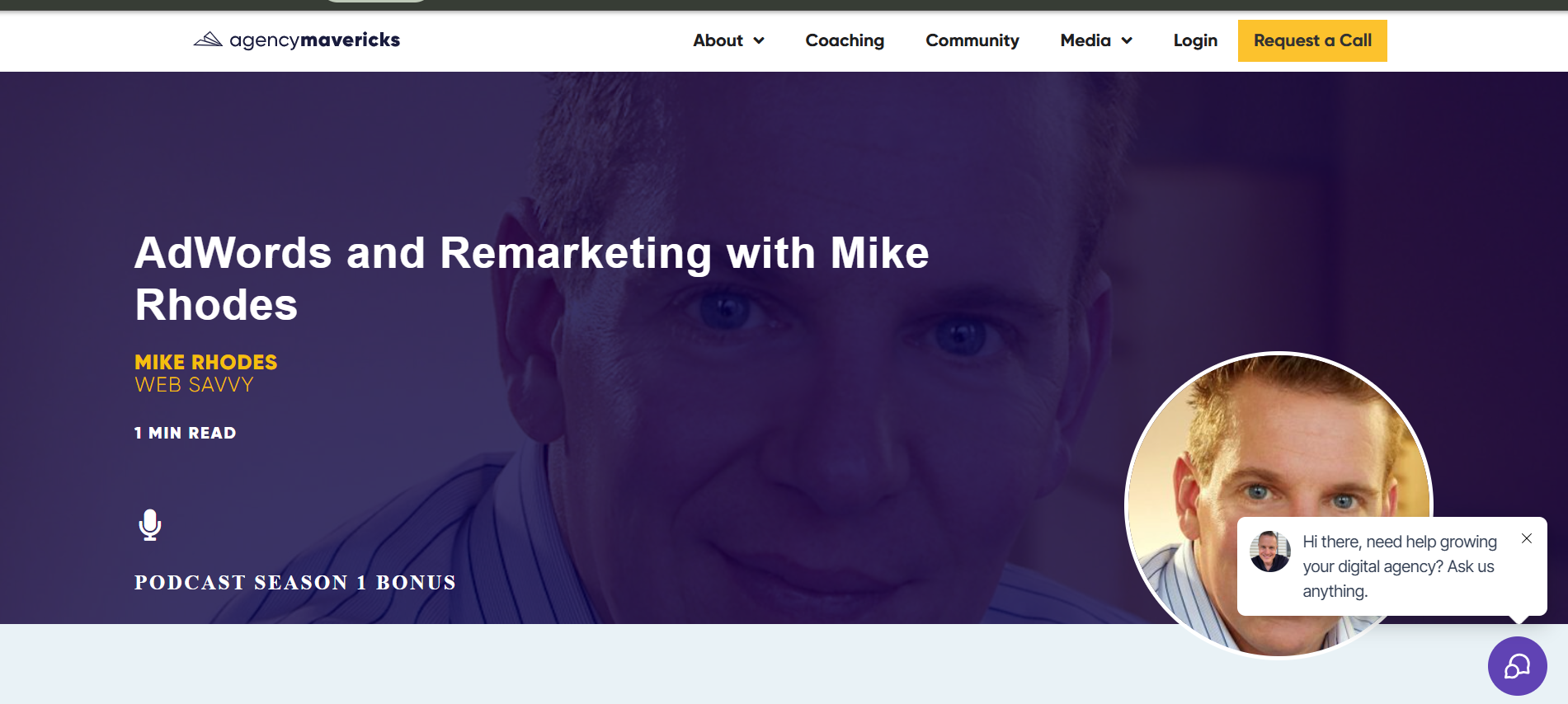


Mike Rhoades – Build the Agent: An In-Depth, Honest Review
The landscape of artificial intelligence is shifting rapidly from simple text-generation prompts to autonomous system execution. Professionals, creators, and developers are looking for tools and frameworks that do more than just generate generic replies—they want systems that can take multi-step actions, solve complex problems, and streamline workflows independently.
Mike Rhoades – Build the Agent enters this space promising a clear, structured blueprint to help users design, configure, and deploy effective AI agents. But does this framework live up to the expectations? Is it suitable for beginners, or is it strictly designed for advanced programmers?
In this complete review, we explore everything provided in the system—from core concepts and system design to practical implementation and real-world value—helping you decide if it is the right solution for your automation needs.
What Is Mike Rhoades – Build the Agent?
Mike Rhoades – Build the Agent is an instructional framework and operational guide focused on constructing autonomous AI agents. Rather than teaching basic, static prompt design, the program focuses on building dynamic AI workflows capable of understanding context, utilizing external tools, making decisions, and executing tasks end-to-end.
Instead of relying solely on manual input for every step of a project, the approach behind this system focuses on creating self-sustaining loops. These loops allow an AI model to continuously process feedback, adjust its output, and complete complex operations with minimal human intervention.
Primary Goals of the System
-
Context Retention: Teaching AI models how to maintain context across extended, multi-stage workflows.
-
Tool Integration: Connecting AI logic with external APIs, search tools, and local execution environments.
-
Task Decomposition: Breaking down large, complex projects into smaller, manageable sub-tasks executed automatically.
-
Feedback Loops: Structuring self-correction mechanics so the agent can refine its own outputs before delivering final results.
Core Features and Structure
The program is structured into distinct modules designed to take you from foundational concepts to fully operational deployments. Here is a breakdown of what the system covers:
1. Architectural Foundations
The initial section breaks down the anatomy of a functional AI agent. It covers the crucial differences between simple prompt-response chains and true autonomous agents. You learn how memory management, task planning, and execution modules interact within a single architecture.
2. Logic and Prompt Orchestration
Before connecting external tools, the system focuses on logic structuring. It details how to write system instructions that keep the agent constrained to its intended scope without hallucinating or breaking character. You learn how to set strict boundaries while allowing enough reasoning space for problem-solving.
3. Tool Binding and API Connectivity
An agent is only as powerful as the tools it can access. This module explains how to equip your setup with custom functions—such as web scraping, file reading, data transformation, and API calls. This enables the agent to fetch real-world data and act upon it.
4. Memory and Context Management
One of the biggest hurdles in agent design is token limits and context drift. The framework introduces methods for short-term and long-term memory handling, utilizing vector databases and structured summaries to keep the agent focused over long tasks.
5. Error Handling and Self-Correction
Outputs are not always perfect on the first attempt. A major highlight of this methodology is the implementation of reflection loops. When an error occurs, the agent catches the failure, analyzes the stack trace or output error, and attempts a fix autonomously.
Who Is This System Best Suited For?
Understanding whether this material fits your background is essential before diving in. Here is a look at who stands to gain the most from this methodology:
-
Automation Enthusiasts: Individuals looking to move beyond simple Zapier or Make integrations into custom, intelligent task delegation.
-
Content Creators & Marketers: Professionals who want to build custom agents to handle research, draft structured content, analyze data, and run marketing workflows.
-
Developers & Technical Builders: Engineers seeking structured patterns for building agentic workflows without reinventing the wheel each time.
-
Entrepreneurs & Agency Owners: Business operators aiming to automate repetitive client operations, reporting, and lead-enrichment tasks.
Key Benefits of the Framework
Step-by-Step Clarity
One of the primary strengths of the guide is its systematic approach. Rather than overwhelming you with abstract computer science theory, it focuses on practical application. Each stage builds logically on the previous one, making complex ideas digestible.
Focus on Practical Utility
Many resources in the AI space focus heavily on novel tricks that look impressive in demos but fail in production. This curriculum prioritizes practical, real-world utility—focusing on build quality, reliability, and error prevention.
Modular Flexibility
The design principles shared are not strictly tied to a single platform or programming language. Whether you prefer building using Python, TypeScript, or visual workflow platforms, the core architectural principles apply universally.
Potential Drawbacks to Consider
To keep this review balanced, there are a few considerations to keep in mind before jumping in:
-
Requires Basic AI Familiarity: While the system explains agent architecture clearly, total beginners with zero understanding of LLMs, APIs, or basic logic flows may experience a learning curve.
-
Evolving Ecosystem: The field of artificial intelligence evolves quickly. While the foundational principles remain solid, specific third-party integrations and library syntax may require ongoing adjustments as underlying platforms update.
Real-World Performance & Practical Application
When putting these concepts into practice, the difference between standard prompting and an agentic workflow becomes immediately obvious.
In a standard scenario, you might ask an AI to write a research report, requiring you to manually check facts, format the text, and ask for revisions step by step. Following the framework outlined in Mike Rhoades – Build the Agent, you configure a multi-step sequence:
-
Researcher Agent: Scrapes and summarizes relevant data sources.
-
Writer Agent: Takes the research synthesis and structures a clean, detailed draft.
-
Editor Agent: Reviews the draft against pre-set quality guidelines, corrects errors, and formats the final output.
This multi-role workflow significantly improves output quality, reducing manual editing time and delivering a far more reliable end result.
Verdict: Is It Worth It?
If your goal is to transition from basic AI usage to building sophisticated, autonomous systems, Mike Rhoades – Build the Agent provides a clear, practical, and highly actionable roadmap. It cuts through the noise of superficial tutorials and focuses on the core mechanics that make autonomous systems work reliably.
While complete beginners may need to brush up on basic API concepts, the structured approach, emphasis on error handling, and practical workflow design make it a valuable asset for anyone looking to master AI-driven automation.
Final Rating: 4.6 / 5
Pros:
-
Clear, actionable architectural frameworks.
-
Strong focus on self-correction and memory management.
-
Highly adaptable across different tech stacks and platforms.
Cons:
-
Requires a foundational understanding of basic AI concepts and APIs.
Be the first to review “Mike Rhoades – Build the Agent”
Related products
Uncategorized


Uncategorized
Uncategorized
Zakaria Airakaz – Ecom Masterclass (Up to August 2026) – The Complete $100K/Day System

Uncategorized


Uncategorized

Reviews
There are no reviews yet.