

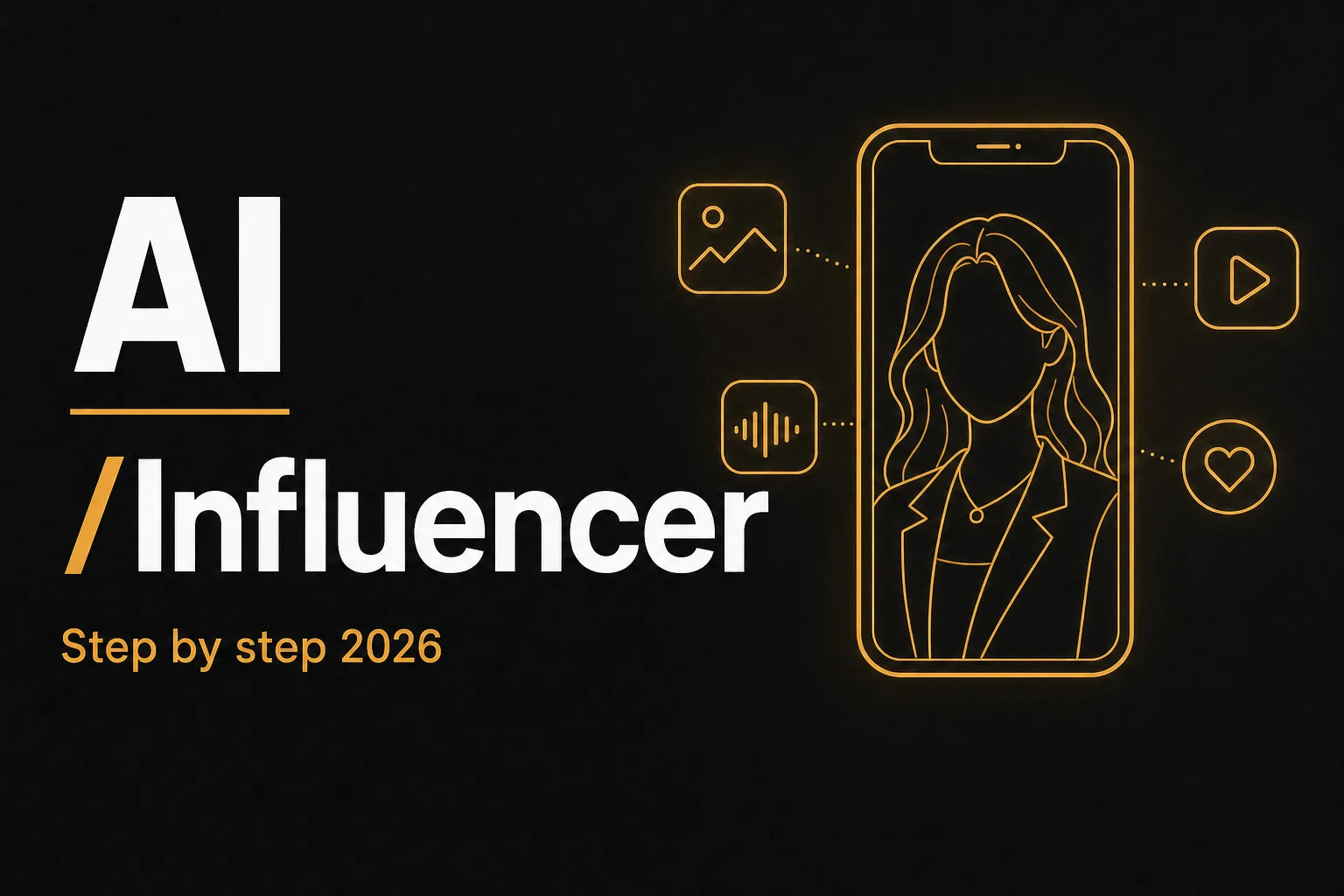


Max Motion – AI Influencer Blueprint Review: Can You Build a Profitable Virtual Persona?
The landscape of digital marketing and social media content creation has shifted dramatically over the past few years. Traditional content creation—relying on daily vlogs, personal branding, and exhausting physical production schedules—is no longer the only game in town. Today, a new wave of digital entrepreneurship is taking over feeds across TikTok, Instagram, and YouTube: the era of the AI influencer.
From virtual models generating millions in digital sponsorships to faceless channels capturing millions of organic views, virtual personalities have proven that audiences care more about compelling storytelling, aesthetic consistency, and high-value entertainment than whether the person on screen bleeds or breathes. Amid this gold rush, educational programs and frameworks have emerged to help beginners navigate the complex tech stack required to build these digital assets.
One program catching the attention of digital entrepreneurs and aspiring content creators is Max Motion – AI Influencer Blueprint. If you have been seeing ads for virtual model creation or hearing whispers about scaling faceless video brands using automated character pipelines, you are likely wondering whether this specific blueprint lives up to the hype.
In this comprehensive, unbiased review, we will break down what Max Motion – AI Influencer Blueprint is, what it aims to teach, the realities of the modern AI influencer market, and whether purchasing this program makes strategic sense for your goals.
Understanding the AI Influencer Phenomenon
Before evaluating any training program, it is crucial to understand the market context. Building an AI influencer is not as simple as typing a single prompt into a basic image generator and watching followers roll in. The market has matured rapidly. Audiences have developed a keen eye for low-effort, uncanny-valley content, meaning creators must master advanced workflows to stand out.
Creating a sustainable virtual persona typically requires balancing several distinct disciplines:
-
Character Consistency: Maintaining the exact same face, body proportions, clothing style, and identity across dozens of distinct video angles and image backgrounds.
-
Motion Control & Animation: Transferring fluid human movements, dance styles, or speech patterns onto a generated 3D or 2D character model.
-
Platform-Specific Optimization: Adapting content formats to fit the aggressive algorithmic loops of short-form video platforms like TikTok, Instagram Reels, and YouTube Shorts.
-
Monetization Architecture: Turning views into revenue through affiliate partnerships, brand sponsorships, digital product sales, or exclusive subscription platforms.
Because stitching together these disparate tools (such as advanced image generators, local or cloud-based upscalers, motion capture suites, and editing software) can be overwhelming for beginners, structured courses attempt to package these steps into a unified playbook. This is the exact gap that courses like Max Motion – AI Influencer Blueprint seek to fill.
What is Max Motion – AI Influencer Blueprint?
Max Motion – AI Influencer Blueprint positions itself as a structured educational resource designed to guide creators through the process of conceptualizing, developing, and scaling a virtual persona for social media. Rather than treating AI tools as mere novelties, the framework focuses on treating a virtual influencer like a scalable digital media asset or business brand.
The core premise revolves around removing the guesswork from character generation and motion workflows. For individuals who feel lost staring at endless technical tutorials on YouTube, a step-by-step roadmap promises to streamline the learning curve, helping them move from a blank slate to a published piece of content much faster.
Who Is This Program Designed For?
-
Aspiring Content Creators: Individuals who want to build a public-facing brand, social media presence, or entertainment channel without showing their real faces or using traditional production equipment.
-
Digital Marketers & Entrepreneurs: Business owners looking to explore innovative content marketing channels, test out virtual brand ambassadors, or capitalize on organic social traffic loops.
-
AI Enthusiasts: Hobbyists and tech hobbyists who want to understand how modern generative video tools, character consistency networks, and motion-transfer frameworks intersect in the creator economy.
Inside the Core Curriculum: What You Can Expect to Learn
While exact module structures can vary based on updates, comprehensive blueprints in this niche typically follow a logical progression from foundational setup to advanced scaling. Based on industry standards for AI influencer training, a robust curriculum generally covers the following foundational pillars:
Phase 1: Conceptualization and Persona Design
Every successful virtual influencer starts with a clear identity. This phase focuses on defining your character’s niche, visual aesthetic, personality traits, and target audience demographic. Without a strong foundational identity, even the most visually striking AI model will fail to retain an audience.
-
Defining character backstory and visual archetypes.
-
Selecting aesthetic directions tailored to high-growth niches (fashion, lifestyle, tech, entertainment).
-
Crafting a recognizable brand voice and posting style.
Phase 2: Mastering Character Consistency
The hardest hurdle for most beginners is keeping an AI-generated character looking identical across different prompts, lighting conditions, and outfits. This section typically dives deep into advanced generation techniques.
-
Using specialized checkpoint models, LoRAs (Low-Rank Adaptation), or reference-locking workflows.
-
Overcoming the “random face” problem in image and video generation.
-
Building a reliable visual asset library for your digital persona.
Phase 3: Motion Integration and Video Production
Static images are no longer enough to capture attention on modern feeds; short-form video dominates engagement. This module covers how to bring static characters to life.
-
Utilizing video generation models and motion-control frameworks.
-
Transferring real human movement, expressions, and pacing onto virtual avatars.
-
Audio sync, voice cloning, and lip-matching techniques to complete the illusion.
Phase 4: Distribution and Audience Growth
Getting noticed on algorithms requires understanding platform mechanics. This part of the blueprint looks at how to push content onto platforms effectively.
-
Optimizing content for TikTok, Instagram Reels, and YouTube Shorts.
-
Leveraging long-tail keywords, trending audio, and high-retention editing styles.
-
Building organic reach loops without relying entirely on paid ad budgets.
Phase 5: Monetization Pathways
A pretty model with millions of views is worthless if it doesn’t generate financial return. The final components typically explore how creators turn eyeballs into income.
-
Setting up affiliate marketing funnels within your niche.
-
Attracting brand sponsorships and virtual product collaborations.
-
Scaling into alternative digital products or merchandise.
Evaluating the Pros and Cons
To provide a genuinely honest review, we must weigh the advantages of following a structured course against the inherent realities and challenges of the AI influencer business model.
The Advantages (Pros)
-
Time-Saving Shortcut: Instead of spending hundreds of hours digging through scattered forums, conflicting YouTube tutorials, and outdated Reddit threads, a structured blueprint consolidates the workflow into a linear path.
-
Beginner-Friendly Architecture: It breaks down complex technical operations (like prompt engineering, upscaling, and video editing) into digestible steps suitable for individuals with zero prior coding or 3D modeling experience.
-
Focus on Modern Formats: Highlighting short-form video integration ensures that learners focus on the formats currently favored by social media algorithms.
-
Strategic Mindset: Good courses emphasize that an AI influencer is a business asset requiring strategy, branding, and consistency rather than just a cool tech trick.
The Limitations & Realities (Cons)
-
Software Tool Costs: Purchasing a training course is rarely the only expense. Operating advanced AI image generators, video tools, cloud compute units, and voice software often requires ongoing monthly subscriptions.
-
Steep Execution Effort: This is not a passive “set-and-forget” push-button income stream. Creating high-quality content, editing videos, managing consistency, and analyzing metrics demands consistent daily effort and creativity.
-
Market Competition: As tools become more accessible, the volume of AI-generated content on social media is rising. Standing out requires genuine creative direction, not just copying basic templates.
Comparing DIY Learning vs. Buying a Blueprint
Is Max Motion – AI Influencer Blueprint Worth It?
The ultimate verdict depends entirely on your personal goals, budget, and willingness to execute.
If you view an AI influencer course as a magic ticket to instant, effortless passive wealth, you will likely be disappointed. Building a profitable digital persona requires treating the project like a media startup. You must be prepared to test different content angles, tweak prompts, manage technical hiccups, and maintain an active publishing schedule.
However, if you recognize that AI content creation is a serious, rapidly growing digital skill set—and you want a streamlined, organized roadmap to avoid the frustrating trial-and-error phase of piecing together workflows on your own—then investing in a comprehensive guide like Max Motion – AI Influencer Blueprint can serve as a valuable accelerator.
Before making a final purchasing decision, always review the official course outline, confirm what software prerequisites are required, and ensure you have carved out the necessary time each week to commit to building and scaling your digital persona. Approach it as a creative and entrepreneurial business venture, and you will be far better positioned to succeed in the evolving digital landscape.
Be the first to review “Max Motion – AI Influencer Blueprint (Nov 2026)”
Related products



Uncategorized

Uncategorized
Uncategorized
Uncategorized

Uncategorized
Reviews
There are no reviews yet.